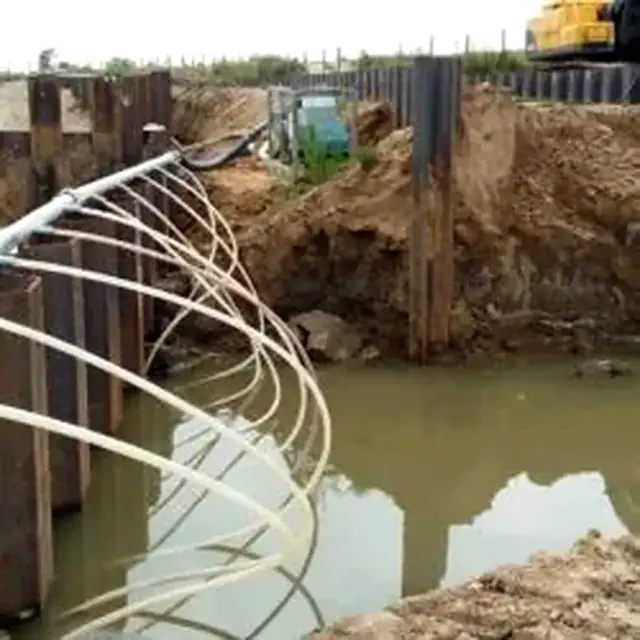
Water inflow
How much water must be removed follows from the ground, the depth of drawdown and the length of the section. That sets the output required and the number of pumps.
Excavation dewatering · wellpoint pumps · since 1988
Wellpoint pumps built for continuous duty. New and used units, warranty and post-warranty service.
In our view, using piston pumps in wellpoint dewatering systems is the most sensible solution. It is the alternative to pump units usually made up of a centrifugal pump assisted by a vacuum pump.
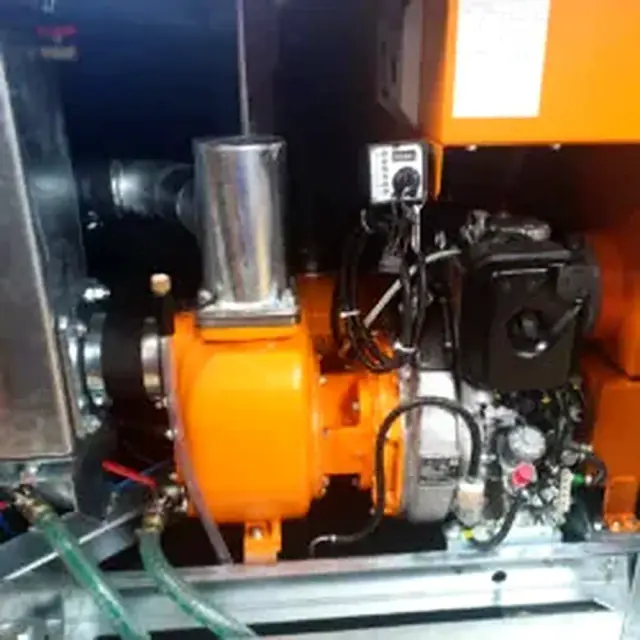
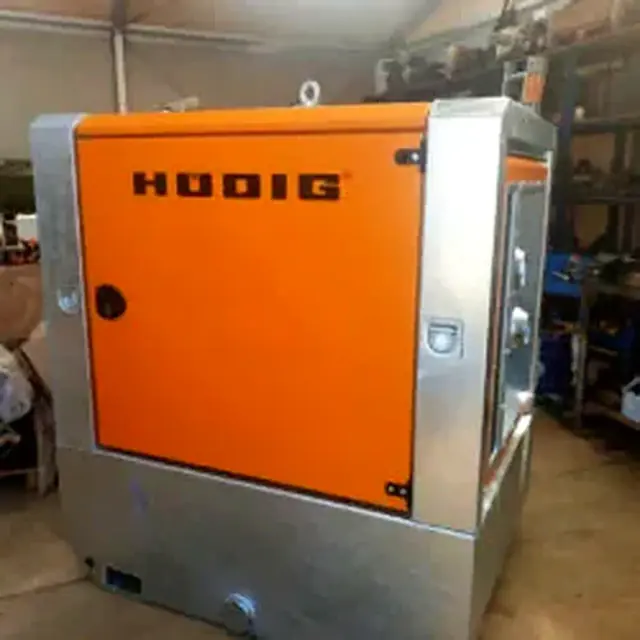
Piston pumps are available with electric motors (5.5 or 7.5 kW) and with HATZ Diesel or Lister engines. The pumps carry CE certification. Wellpoint pumps and their accessories can also be leased — used equipment included.
We do not only sell wellpoint pumps — several dozen of our own pumps work on our sites in excavation dewatering and are available for rental with the accessories.
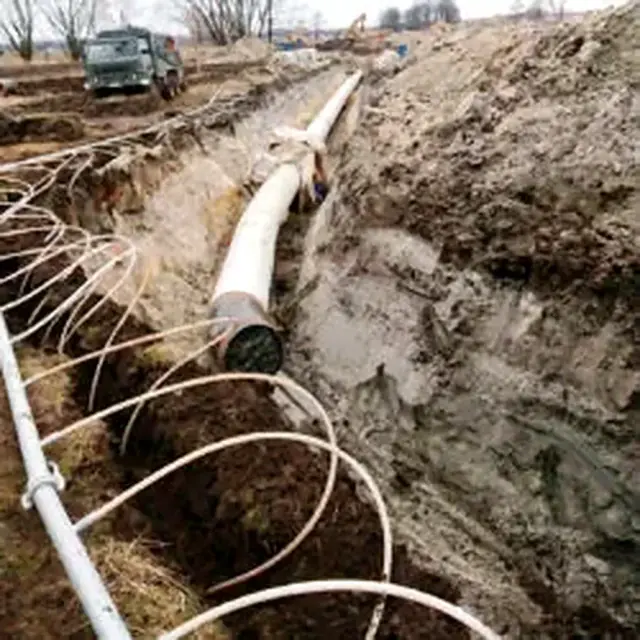
 A dewatering system at work
We also rent, sell and service submersible pumps, borehole pumps, motor pumps and mining pumps — for clean and dirty water, sludge, sewage, bentonite and hydraulic transport.
The classic dewatering unit is a centrifugal pump backed by a vacuum pump: the vacuum pump draws the air out of the wellpoint installation and holds the suction, the centrifugal pump moves the water. For wellpoints we usually recommend piston pumps, but wherever high flow at a modest head is what counts — surface dewatering, transfer duty, drawing a reservoir down — a centrifugal pump is the right tool.
We supply them on the same terms as the piston range: sales of new and used units, rental, and warranty and post-warranty service.
The right pump follows from the flow, the head and what is being pumped — call and describe the site, and we will size it with you.
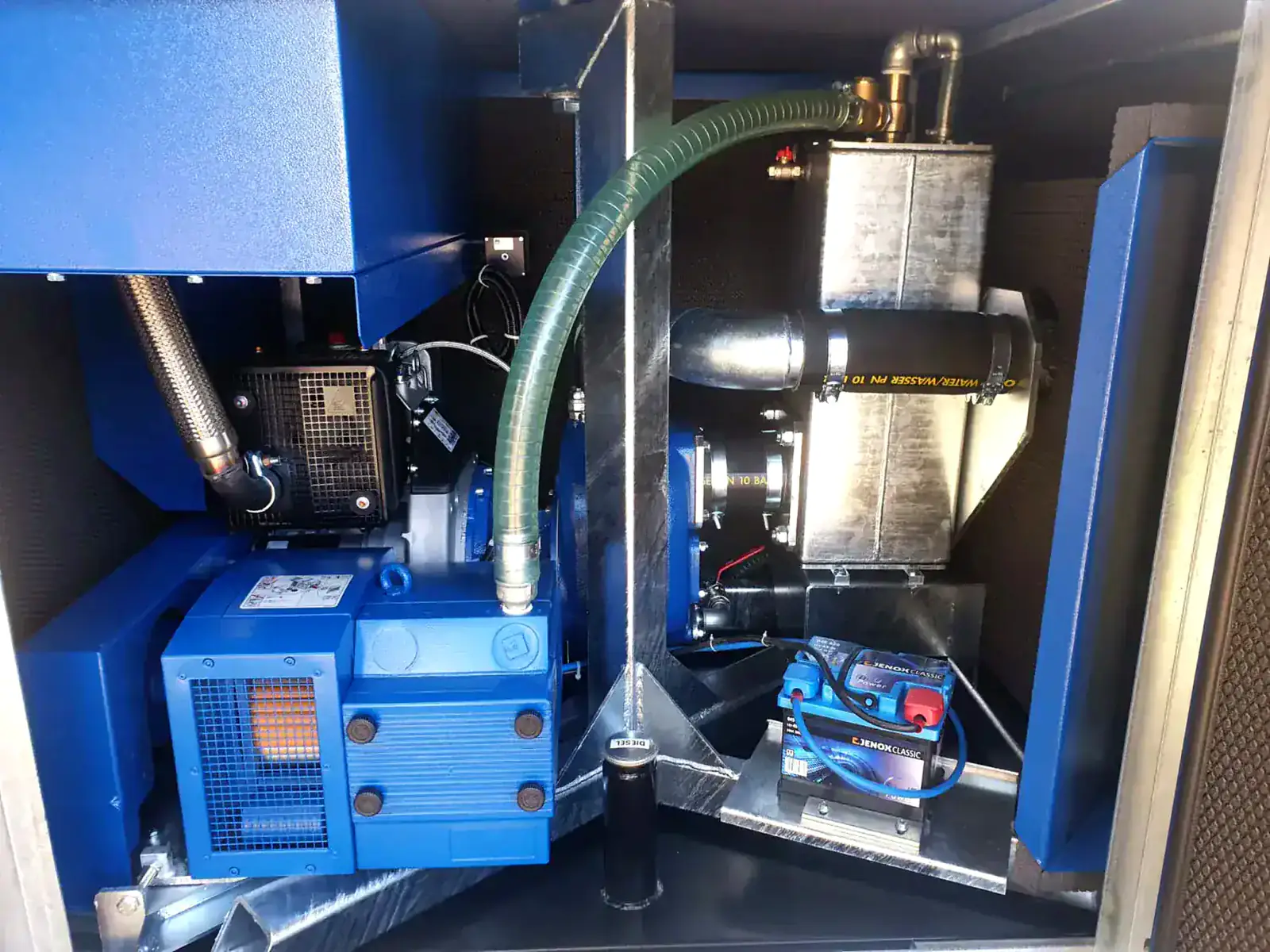
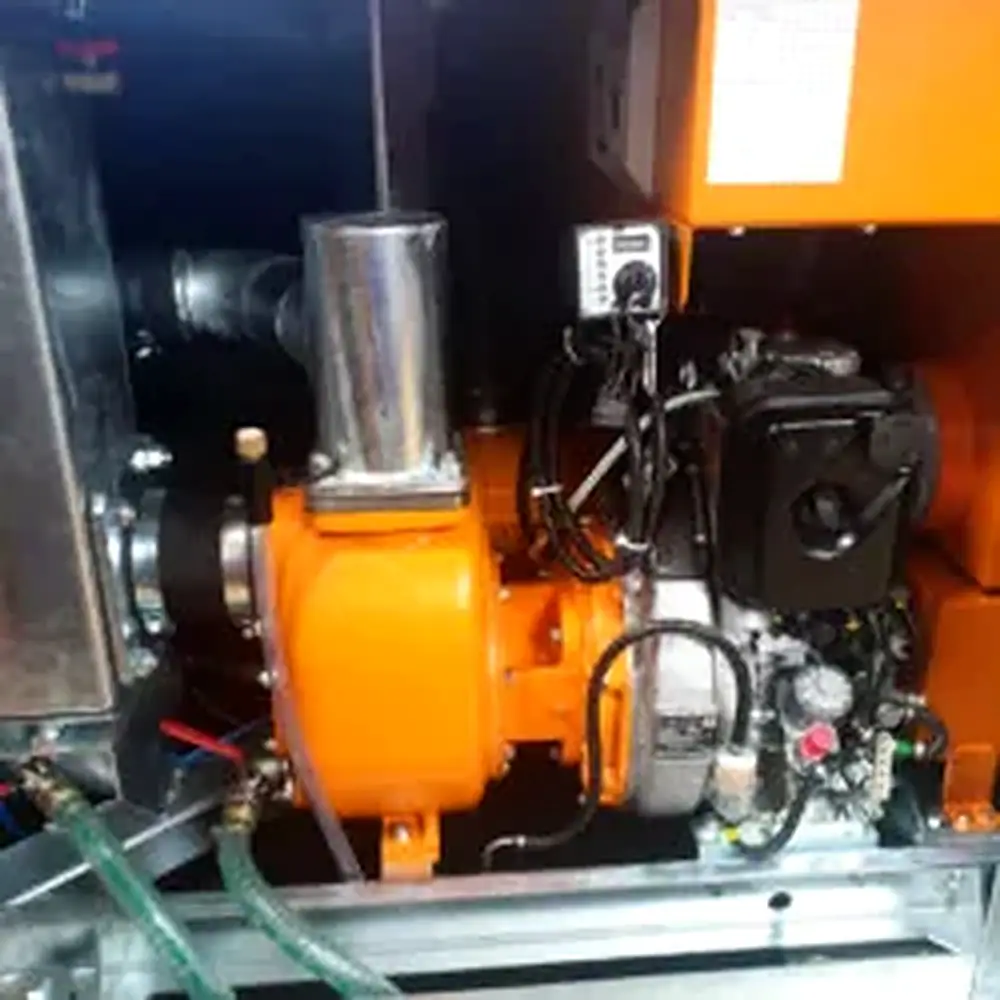
Both types have their place on site — in different conditions. The comparison is based on what we describe above; the choice for a particular site comes down to the conditions there.
| Piston pump | Centrifugal pump unit | |
|---|---|---|
| Design | A piston pump, no separate vacuum pump | A centrifugal pump assisted by a vacuum pump |
| Priming | Self-priming | Suction is held by the vacuum pump drawing air out of the installation |
| Dry running | Does not damage the pump | Depends on the design of the unit |
| Wellpoint clogging | Pulsating flow reduces it | Can be a problem with wellpoints |
| Output | Independent of suction and discharge head | High flow at a modest head |
| Best suited to | Wellpoint dewatering, continuous 24 h duty | Surface dewatering, transfer pumping, drawing down tanks and reservoirs |
Not sure which suits your site? Describe the excavation depth, the ground and the length of the section — we will advise.
The pump is matched to the installation, and the installation to the ground. These are the things we will ask about — and why.
How much water must be removed follows from the ground, the depth of drawdown and the length of the section. That sets the output required and the number of pumps.
One stage of wellpoints usually lowers the water by about 4–5 m, 5–6 m at most — suction lift allows no more. Deeper excavations need further stages or a different method, deep wells for instance.
The longer the header and the more wellpoints, the more output is needed. Long linear trenches are split into sections served by separate pumps.
With 400 V on site, an electric 5.5 or 7.5 kW drive is cheaper to run. Without it — a HATZ Diesel or Lister engine using about a litre of fuel an hour.
The distance and height difference to the discharge point affect the choice of pump and delivery pipe. Discharge into a sewer, ditch or watercourse has to be agreed with whoever manages it.
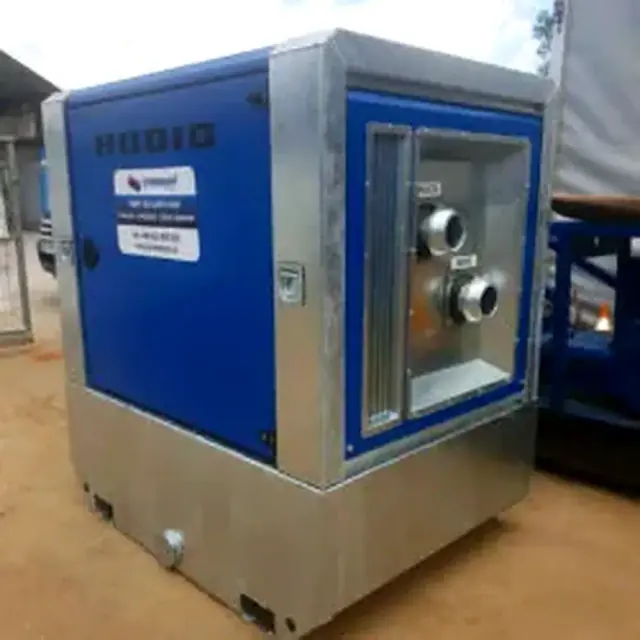
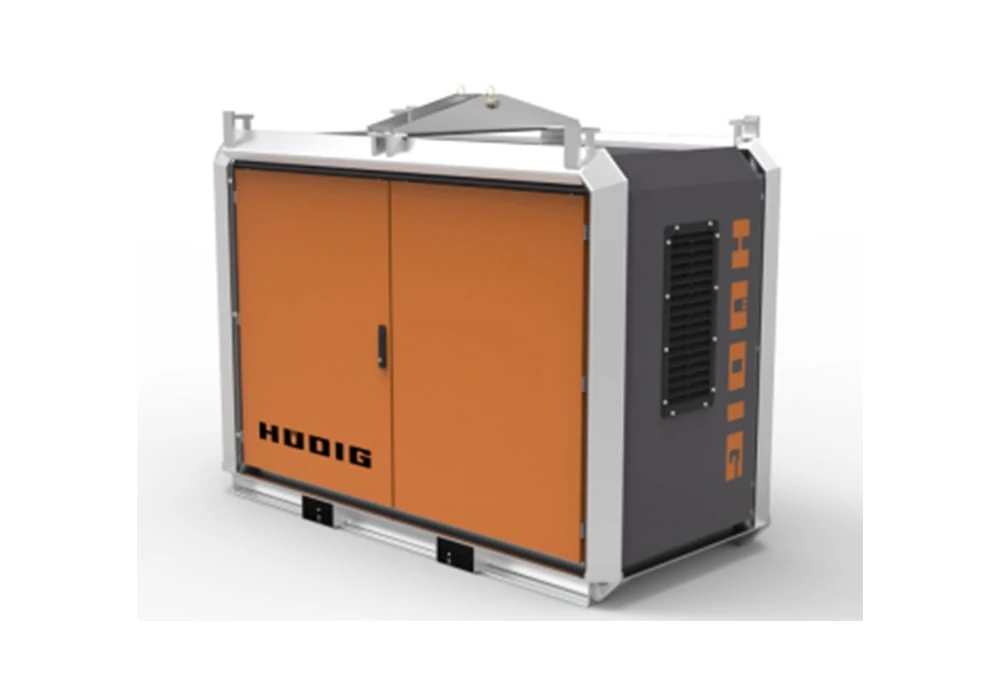
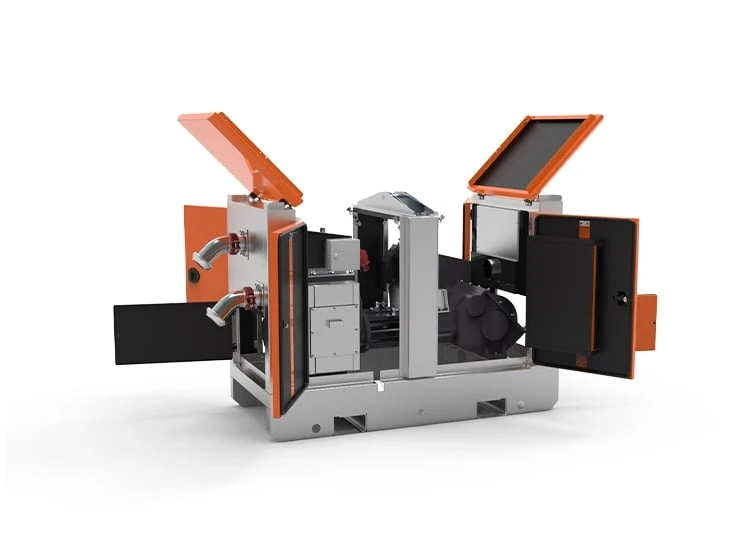
For continuous work near housing, a unit sound-insulated in a container is a better choice than an open set on a frame.
We provide warranty and post-warranty service for wellpoint pumps — including those bought elsewhere. Tell us the make, model and symptoms and we will establish whether we can carry out the repair. Service and parts have their own phone line — you will find it on the contact page.
Piston pumps are simply built and, serviced regularly, run for decades — the oldest in our fleet for more than 40 years. As in any positive-displacement pump, the parts that wear are mainly the piston seals (cups), the valves with their rubbers and springs, and the gland seals — those are the first to be replaced.
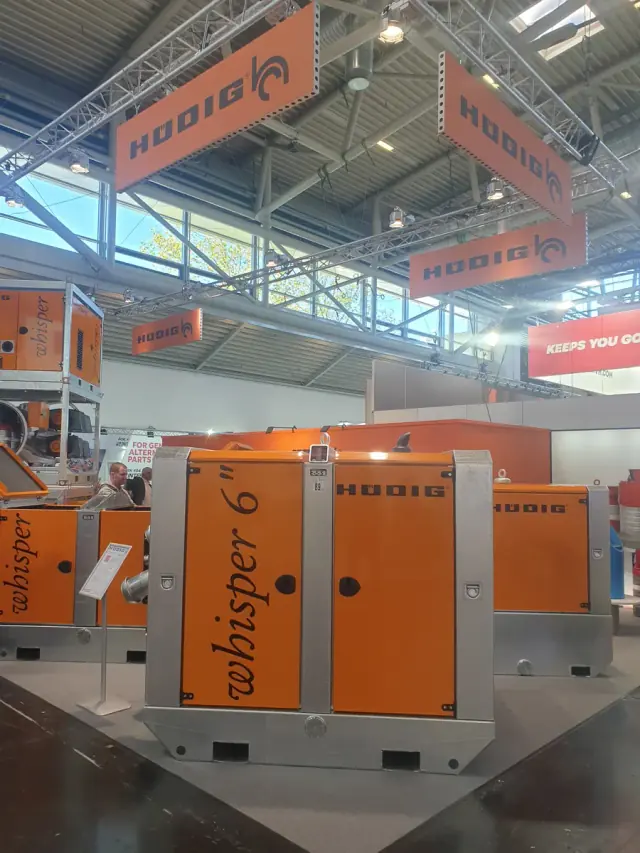
As the official representative of Hüdig GmbH & Co. KG we run a dedicated service with the complete catalogue of wellpoint pumps, dewatering units and accessories.
The questions contractors call us about most often. If yours is not here, simply call.